
What Tube Diameter Should You Pick for Hand Cream and Body Lotion
Cosmetic Tube Packaging | Hand Cream & Body Lotion Packaging
Choosing the right tube diameter is an important step in developing cosmetic packaging for hand cream and body lotion. The diameter of a cosmetic tube affects not only its appearance but also its capacity, dispensing performance, ease of use, portability, and overall packaging cost.
For skincare brands, selecting the right tube size means finding a balance between product volume, formula viscosity, consumer preferences, and brand positioning. A compact hand cream tube may be ideal for travel or daily carry, while a larger body lotion tube may be more suitable for family use, frequent application, or retail products designed for long-term use.
However, there is no single tube diameter that works for every product. The ideal choice depends on the tube length, filling capacity, formula characteristics, cap design, and intended application.
In this guide, Runk Packaging explains how to select the right cosmetic tube diameter for hand cream and body lotion, compares common packaging sizes, and shares practical tips for brands looking for customized cosmetic tube packaging.
When developing cosmetic tube packaging, brands often focus on capacity, color, printing, and decoration. Tube diameter deserves the same attention because it influences several important aspects of the packaging design.
Tube diameter is one of the main factors affecting how much product a tube can hold. For tubes with the same length, a wider diameter generally provides more internal volume.
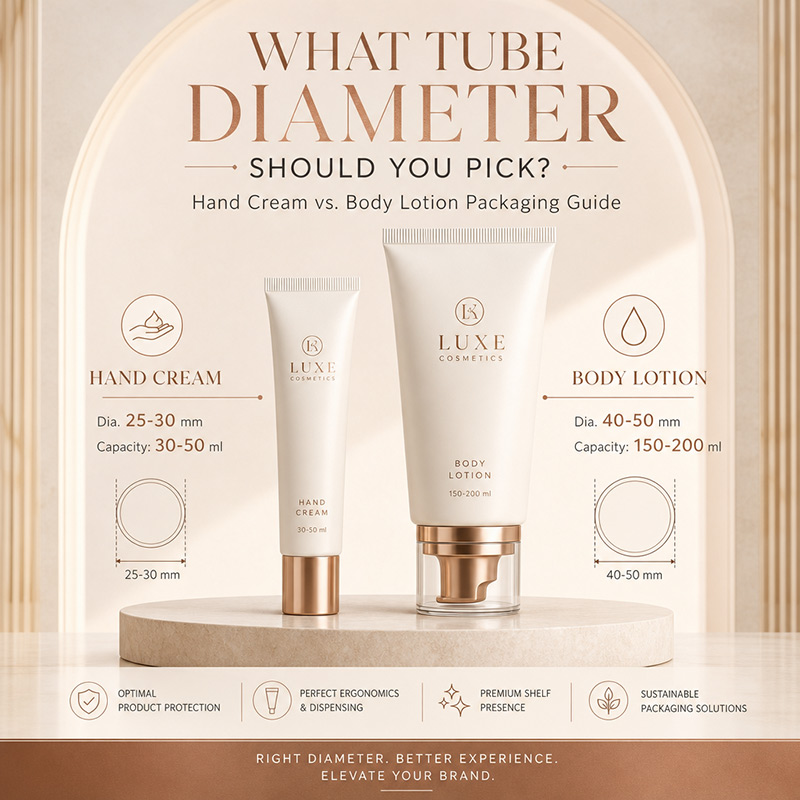
For example, a compact tube may be suitable for a 30 ml hand cream, while a wider or longer tube may be more appropriate for a 100 ml hand cream or a 200 ml body lotion.
Nevertheless, diameter alone does not determine capacity. Tube length, shoulder design, headspace, and filling requirements also affect the final usable volume.
Hand creams and body lotions can have different viscosities. Some formulas are lightweight and fluid, while others are thick, rich, or butter-like.
A suitable tube diameter helps create a convenient dispensing experience:
Narrower tubes can offer better control for small amounts of hand cream.
Medium-diameter tubes provide a balance between portability and dispensing convenience.
Wider tubes can accommodate larger product volumes and may be suitable for frequent body care applications.
The opening size, shoulder structure, cap design, and formula viscosity should also be evaluated during packaging development.
Packaging dimensions influence how consumers perceive and use a product.
Smaller-diameter tubes can create a slim, lightweight appearance that works well for travel-size products, gift sets, and premium hand care collections. Wider tubes can offer a more substantial appearance and provide space for branding, ingredient information, and product instructions.
The right diameter should complement your brand identity while remaining practical for everyday use.
Tube diameter can affect material consumption, tube length, cap compatibility, filling-line requirements, and shipping efficiency.
A wider tube is not automatically more expensive in every case, because the final price also depends on the material structure, decoration, order quantity, and component design. Brands should compare the complete packaging specification rather than evaluating diameter alone.
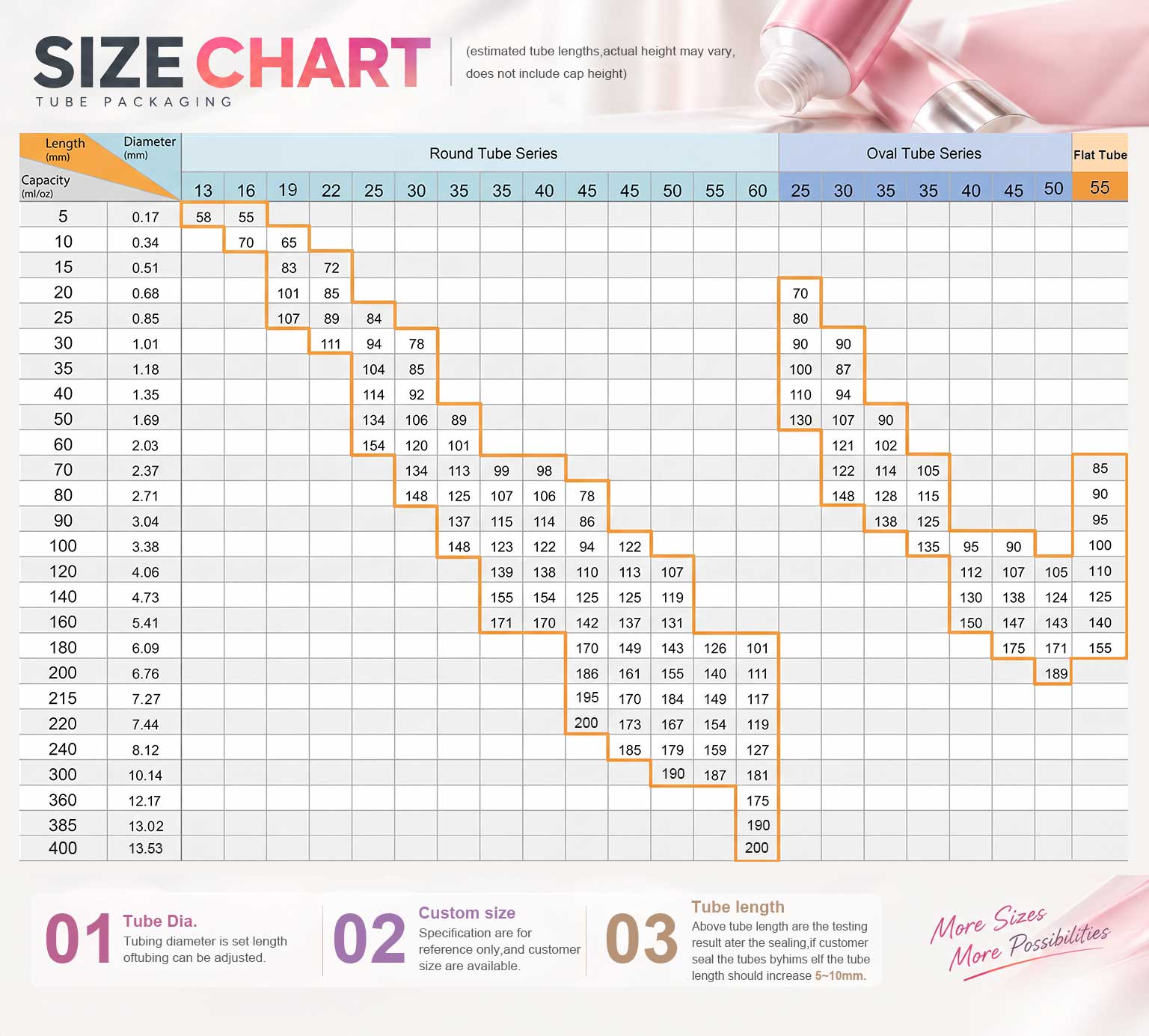
Different tube diameters suit different packaging purposes. The following chart provides a practical starting point for cosmetic packaging development.
The capacity ranges are indicative, not fixed industry standards. Actual capacity varies with tube length, shoulder design, cap structure, and the manufacturer's available tooling.
|
Tube diameter |
Indicative capacity range |
Recommended applications |
|---|---|---|
|
19–22 mm |
5–30 ml |
Samples, mini hand creams, travel kits |
|
25 mm |
15–60 ml |
Portable hand cream, promotional skincare |
|
30 mm |
30–80 ml |
Daily hand cream, compact lotion |
|
35 mm |
40–120 ml |
Retail hand cream, sunscreen, medium lotion |
|
40 mm |
60–180 ml |
Body lotion, hand cream, personal care |
|
50 mm |
100–250 ml or more |
Large body lotion, body cream, family-size products |
Important: These are general reference ranges rather than guaranteed capacities for every diameter. Confirm the final dimensions against the manufacturer's specifications and a filled sample.
Hand cream is frequently used throughout the day, so packaging should be comfortable to hold, easy to squeeze, and convenient to carry.
Recommended starting diameters: 19–25 mm
Small hand cream tubes are suitable for travel kits, promotional gifts, hotel amenities, trial products, and premium gift sets.
Their compact size makes them easy to carry in a handbag, pocket, or cosmetic pouch. Smaller tubes are also useful when brands want to introduce a new formula without asking consumers to purchase a full-size product.
When selecting a narrow tube, consider the available printing area and closure proportions. A tube that is too narrow may restrict the amount of branding and product information that can be displayed.
Recommended starting diameters: 25–35 mm
For everyday retail products, this range offers a practical balance between portability, visual appeal, and dispensing convenience.
A 30–50 ml tube can work well for consumers who want a portable product, while a 60–75 ml format may be suitable for regular daily use at home, in the office, or while traveling.
A 30 mm tube can create a relatively slim profile, whereas a 35 mm tube provides a wider front-facing area for logos, ingredient highlights, and product claims.
Recommended starting diameters: 35–40 mm
Larger hand cream tubes may be suitable for intensive hand care, professional use, household products, or brands that prioritize value per unit.
A wider diameter can help keep the tube body relatively compact for a given capacity. However, the finished dimensions should be checked to ensure that the tube remains comfortable to grip and easy to store.
Runk Packaging recommendation: For a new hand cream packaging project, begin by comparing 25 mm, 30 mm, and 35 mm tube options. These provide useful alternatives for compact, standard, and larger retail formats.
Body lotion generally requires more product per application than hand cream. As a result, body lotion packaging often uses larger capacities and wider tube bodies.
Recommended starting diameters: 25–35 mm
These tubes are suitable for travel skincare kits, hotel amenities, sample collections, and portable personal care products.
A relatively narrow tube offers a lightweight appearance and can fit neatly into travel bags. For thicker body lotions, make sure the tube wall and opening provide a comfortable dispensing experience.
Recommended starting diameters: 35–40 mm
This is a useful starting range for brands developing everyday body lotion, moisturizing cream, and other personal care products.
A 35 mm tube may suit a taller, slimmer design, while a 40 mm tube can provide a broader front panel and a more substantial appearance.
The final selection should reflect the lotion's viscosity, the target market's preferences, and the intended retail positioning.
Recommended starting diameters: 40–50 mm
Larger tubes are often suitable for family-size body care, intensive moisturizing products, body creams, and value-oriented product lines.
A wider tube can accommodate a larger fill volume without requiring an excessively long body. It can also provide more room for product descriptions and visual branding.
However, a larger diameter does not automatically guarantee easier dispensing. The tube's flexibility, wall thickness, formula viscosity, shoulder design, and opening size must work together.
|
Factor |
Hand cream |
Body lotion |
|---|---|---|
|
Typical capacity |
15–100 ml |
50–250 ml or more |
|
Common starting diameter |
25–35 mm |
35–50 mm |
|
Main priority |
Portability and controlled dispensing |
Capacity and comfortable repeated use |
|
Common closure |
Screw cap or flip-top cap |
Flip-top cap or screw cap |
|
Typical positioning |
Travel, everyday care, premium hand care |
Daily moisturizing, family care, body care |
These are general packaging tendencies, not strict rules. A lightweight body lotion can work in a smaller tube, and a rich hand cream can be packaged in a wider format.
The best decision comes from evaluating the intended fill volume, formulation, user experience, and visual design together.
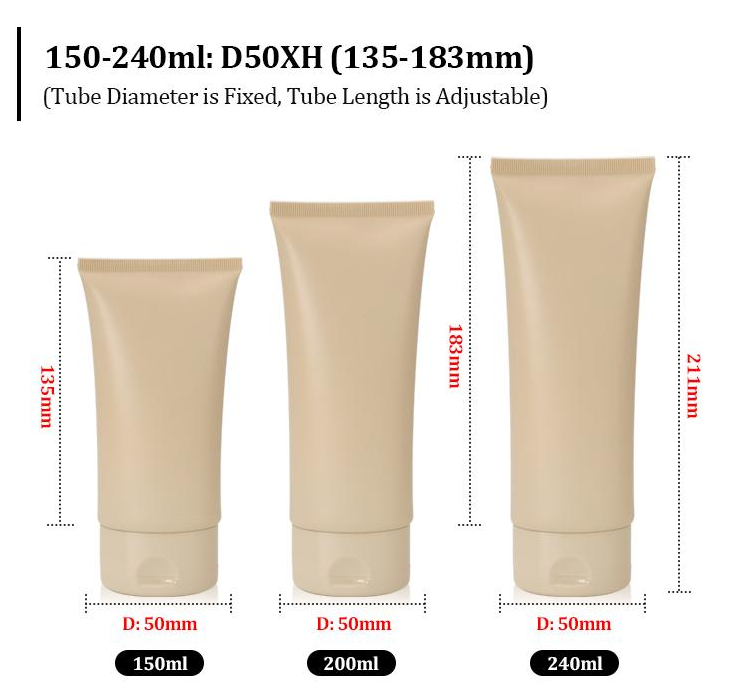
Tube diameter and tube length work together to determine the overall packaging dimensions.
For the same nominal capacity, a narrower tube generally needs a longer body, while a wider tube may be shorter. This gives brands flexibility when designing packaging for different retail environments.
For example, a 100 ml hand cream tube could be designed with a slimmer, taller profile or a wider, shorter profile, depending on the manufacturer's tooling and the desired proportions.
When comparing different tube designs, consider the following:
Slim and tall tubes: Suitable for minimalist packaging and products designed for portability.
Medium-width tubes: Offer a balance between appearance, capacity, and branding space.
Wide and short tubes: Can create a substantial shelf presence and may be convenient for larger-volume products.
Do not determine the tube length from capacity alone. The shoulder, tube tail sealing area, cap height, and filling requirements all affect the finished package dimensions.
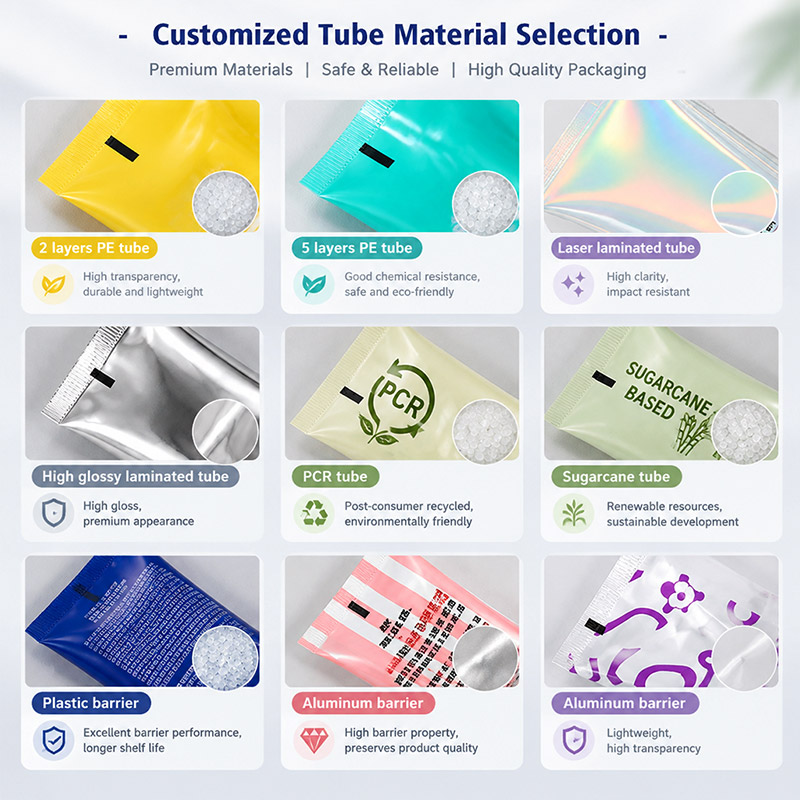
The material structure should be selected according to the formula, product positioning, barrier requirements, and sustainability goals.
|
Tube material |
Key characteristics |
Potential applications |
|---|---|---|
|
2-layer PE |
Flexible squeeze performance and a simple material structure |
Standard hand creams and lotions, subject to compatibility testing |
|
5-layer PE |
Multilayer structure that can provide enhanced barrier performance |
Formulas requiring additional protection |
|
PBL |
Plastic-based barrier laminate structure |
Cosmetic creams and personal care products |
|
ABL |
Aluminum-barrier laminate structure |
Formulas requiring strong barrier properties |
|
Sugarcane-based PE |
Renewable feedstock alternative for PE packaging |
Brands exploring renewable-material options |
The suitability of each material depends on the complete packaging specification. Barrier performance, recyclability, and formula compatibility should be evaluated for the actual structure rather than assumed from the material name alone.
For brands developing customized packaging, Runk Packaging offers tube options that can be discussed in terms of diameter, capacity, material, color, and decoration.
Selecting the correct diameter involves more than matching a tube to a target capacity.
A thick hand cream may require more squeezing force than a lightweight lotion. Test the formula in the actual tube to confirm that consumers can dispense it comfortably.
Screw caps and flip-top caps offer different usage experiences. The opening size should allow the formula to flow appropriately without excessive leakage or dispensing difficulty.
A wider tube generally offers more front-facing space for a logo, product name, ingredients, and other artwork. Smaller tubes may require a more streamlined design.
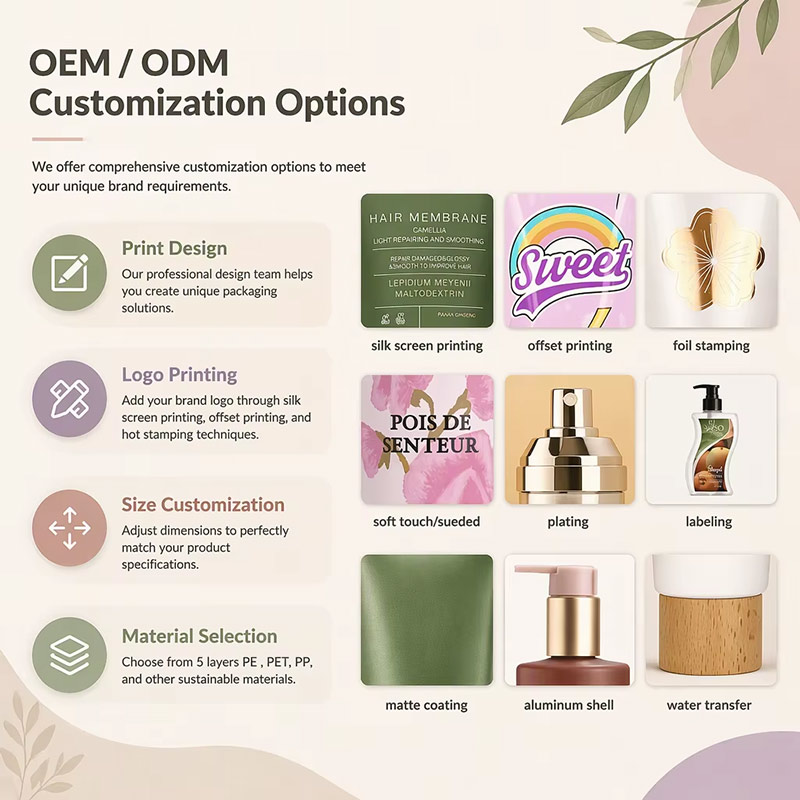
Common customization options include:
Color matching using the Pantone Color Chart
Silk screen printing
Offset printing
Hot stamping
Frosted, matte, or glossy finishes
Plating and labeling, depending on component compatibility
The tube diameter, length, tail structure, and closure must be compatible with the filling and sealing process. Confirm the technical specifications with the packaging manufacturer and filling facility before placing a bulk order.
If sustainability is a priority, discuss material composition, recycled or renewable content, and the packaging's end-of-life requirements. The best choice depends on the target market and the applicable recycling infrastructure.
For B2B buyers, the following process can help reduce unnecessary sampling and design changes.
Step 1: Define the target capacity
Decide whether the product is a 30 ml travel hand cream, a 50–75 ml retail hand cream, or a 150–200 ml body lotion.
Step 2: Compare available diameters
Request available tooling and drawings for two or three suitable diameter options.
Step 3: Confirm material and closure
Choose the tube structure, shoulder, cap, and opening according to the formula and desired dispensing experience.
Step 4: Test samples before mass production
Fill the sample tubes with the actual formula and evaluate squeezing force, leakage, cap fit, appearance, and filling compatibility.

Diameters of approximately 25–35 mm are useful starting points for many hand cream projects. Smaller formats may use narrower tubes, while larger hand cream packages may require a 35–40 mm diameter. The ideal size depends on capacity, tube length, formula viscosity, and design requirements.
A diameter of approximately 25–35 mm is a reasonable starting range for a 50 ml hand cream tube. A narrower tube can create a taller profile, while a wider tube may offer a shorter body and more front-facing design space. Confirm the final capacity with the manufacturer's technical drawings and samples.
A diameter of around 35–40 mm is a useful initial option for a 100 ml body lotion tube. A 35 mm tube may create a slimmer appearance, while a 40 mm tube may offer a wider package profile. Actual capacity depends on the tube's length and construction.
Yes. Tube length is another major factor in determining capacity. Two tubes with the same diameter can hold different amounts of product if their lengths or shoulder designs differ.
No. Dispensing performance also depends on material flexibility, wall thickness, formula viscosity, opening size, and tube construction. A wider tube may provide more internal volume, but a filled sample test is still necessary.
A screw cap can be suitable for premium, travel-size, or minimalist hand cream packaging. A flip-top cap is convenient for frequent use because it can be opened and closed quickly. The best choice depends on the intended user experience, leakage requirements, and packaging design.
Customization depends on available tooling, technical feasibility, and order requirements. Buyers can discuss tube diameter, capacity, color, material structure, cap style, and decoration options with the manufacturer. Artwork and samples should be approved before mass production.
To help the manufacturer recommend suitable options, prepare the following information:
Product type: hand cream, body lotion, or body cream
Required capacity in milliliters
Preferred diameter or overall dimensions, if available
Formula viscosity and compatibility requirements
Preferred material structure
Cap type and color
Printing and surface decoration requirements
Estimated order quantity and delivery destination
If the diameter has not yet been determined, you can start with the required capacity and product application.
Choosing the right tube diameter for hand cream and body lotion requires balancing capacity, appearance, dispensing performance, and manufacturing requirements.
As an initial guide, 25–35 mm is a practical range to explore for hand cream, while 35–50 mm is a useful starting range for larger body lotion formats. Smaller diameters can suit travel-size products, and the final selection should always be verified against the required capacity and available tooling.
For cosmetic brands, the best packaging solution is not necessarily the widest or narrowest tube. It is the one that fits the formula, supports the desired user experience, and reinforces the brand's market positioning.
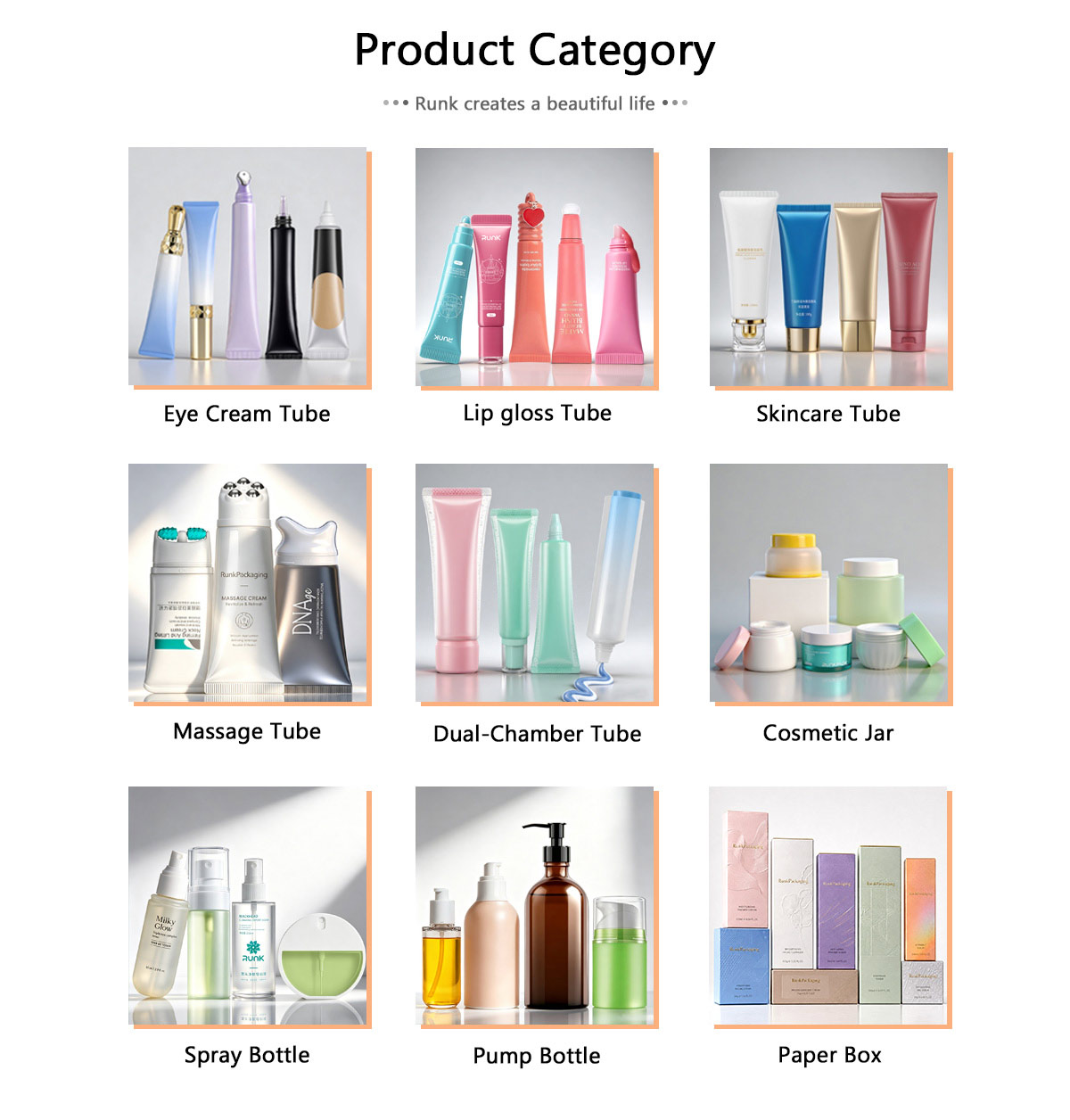
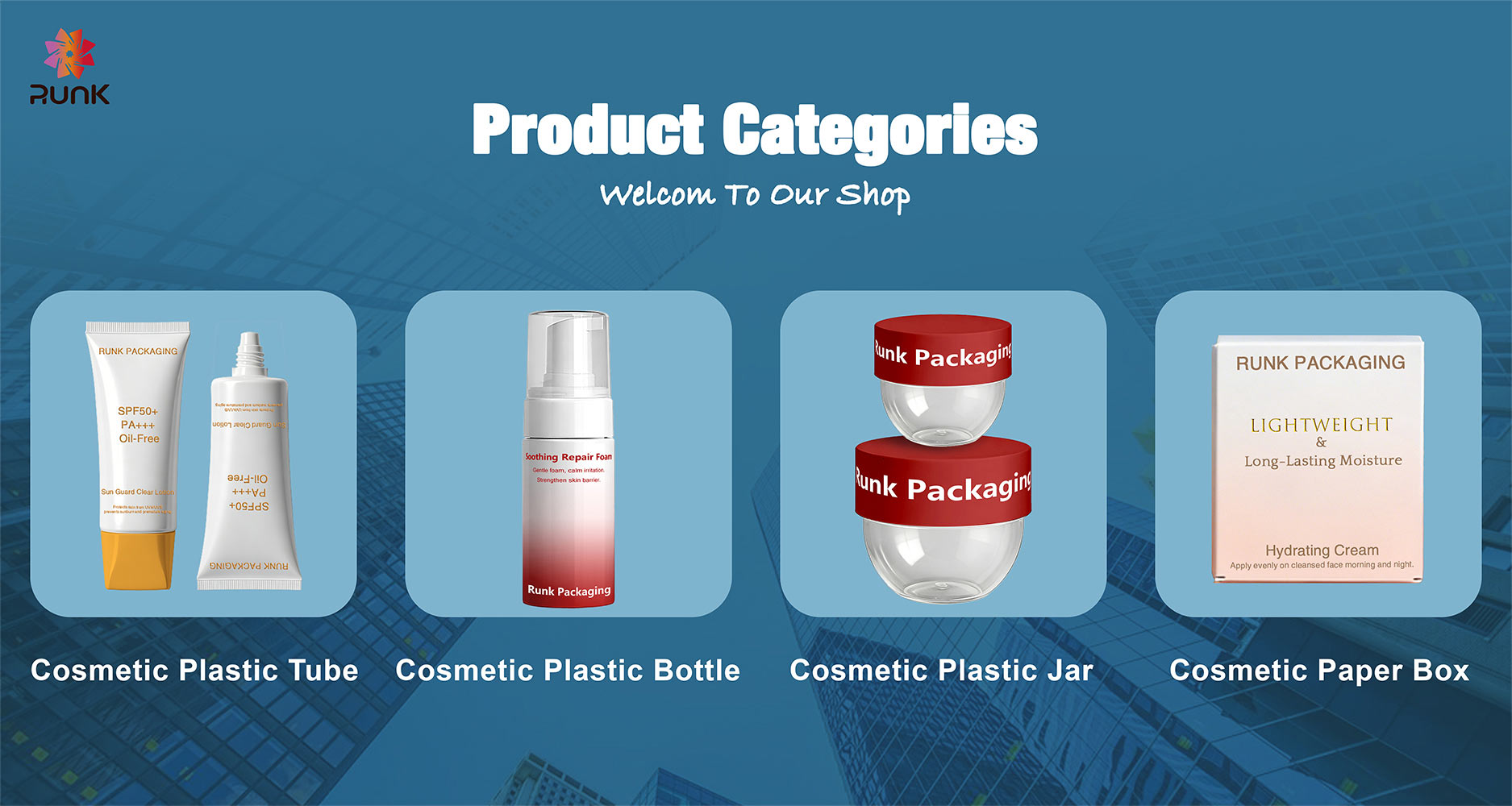
Runk Packaging is a cosmetic packaging manufacturer specializing in customized plastic packaging tubes, bottles, jars, and paper boxes. We support OEM and ODM packaging projects with options for tube capacity, diameter, material, color, cap style, printing, and surface decoration.
Whether you are developing a new hand cream line, upgrading your body lotion packaging, or sourcing cosmetic tubes for an established brand, choosing the right specifications at the beginning can help streamline product development.
Contact Runk Packaging to discuss your cosmetic tube packaging requirements and request suitable options for your next project.

Contact Information
Email: sales@runkgroup.com | WhatsApp: +62 812-9504-2586
Tube Website: https://www.runkgroup.com
Bottle & Jar Website: https://www.runkbottle.com
Alibaba International: https://runkpackaging.en.alibaba.com
Based in Guangzhou, China — Serving Beauty Brands Worldwide.


 IPv6 network supported
 English